The protracted conflict in Northern Ireland, commonly referred to as the 'Troubles,'
CM
Ahead of the publication of our book, 'Threads of Trauma' next month, here's some material on the period in Northern Ireland referred to as the 'Troubles'. We included a couple of chapters on this theme, from two different perspectives, as we felt this is an area deserving of more attention.
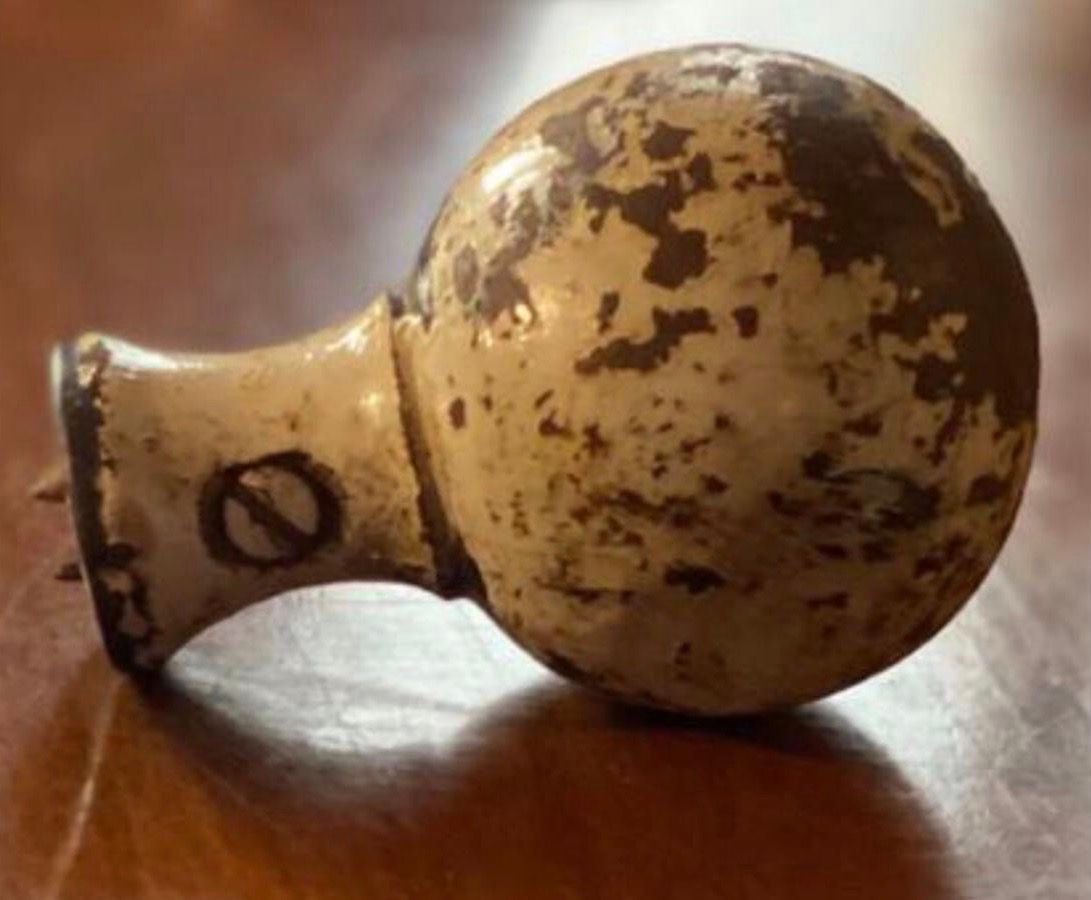
The protracted conflict in Northern Ireland, commonly referred to as the 'Troubles,' which persisted from the late 1960s to the late 1990s, has left a lasting legacy of psychological trauma that continues to impact multiple generations of the populace. This conflict serves as a significant case study for comprehending the ramifications of prolonged civil unrest on mental health and overall well-being within diverse communities.
The prevalence and ramifications of post-traumatic stress disorder (PTSD) stemming from the Troubles remain substantial even decades after the cessation of hostilities. Studies indicate that a considerable segment of the Northern Irish populace still grapples with PTSD, with approximately 4.74% of the weighted population meeting the criteria for current PTSD, and nearly 60% of those afflicted identifying the Troubles as their most severe traumatic encounter, notwithstanding the passage of several decades since the conflict [1].
Among older individuals exposed to the conflict, around 11.5% satisfy clinical criteria for current PTSD, with a significant majority (85.9%) of those exposed to Troubles-related trauma refraining from seeking professional assistance, despite 59.1% meeting criteria for a lifetime mental disorder [2]. This underscores a notable treatment gap and an ongoing public health concern.
In addition to emotional distress, trauma exposure has been linked to discernible cognitive repercussions. Individuals with PTSD exhibit a reduction in verbal recall abilities compared to those without PTSD, as evidenced by recalling approximately half a word less on verbal recall tests, alongside lower scores on global cognitive assessments such as the Mini Mental State Examination and Montreal Cognitive Assessment [1]. These cognitive deficiencies appear to reflect a broad impact of trauma on cognitive function among older adults at a population level [3].
The gender-specific dimensions of trauma experienced by women during the Troubles have historically been marginalised, despite the widespread nature of their suffering. The conflict witnessed systemic conflict-related sexual violence perpetrated by both state and non-state actors [4]. Literary analyses exploring women's trauma portrayals reveal that female characters encountered distinct psychological traumas, strained familial ties, and grappled with societal expectations while navigating daily life amidst violence [5]. Women also endured various forms of gender-based harm, encompassing sexual violence, physical abuse, verbal aggression, and psychological torment [6].
The psychological repercussions of the 'Troubles' extend to suicide and self-harm, with Northern Ireland reporting elevated suicide rates. The incidence of registered suicides escalated from 143 in 1996 to 318 in 2015, with exposure to the Troubles recognised as a notable risk factor alongside trauma, mental disorders, socioeconomic deprivation, and substance abuse [7].
Early-life adversities, including parental dysfunction, maltreatment, and economic struggles, in conjunction with exposure to the conflict, substantially elevate the risk of developing PTSD, particularly among females and individuals exposed to the conflict, heightening their lifetime PTSD susceptibility [8].
Veterans residing in Northern Ireland confront compounded trauma exposure, with research delineating three distinct trauma categories among this cohort, wherein 10.84% endured high multitrait trauma exposure [9]. Conflict-related trauma emerged as a significant independent predictor of recidivism among individuals with prior violent convictions [10].
The enduring consequences of the 'Troubles' persist in disability rates, with heightened exposure to the conflict amplifying the probability of disability benefit receipt by 21 percentage points among older working-age individuals, significantly impacting mental health outcomes [11]. Despite the enduring repercussions, many survivors remain detached from support services, underscoring the imperative for enhanced trauma-informed mental health care and policy initiatives.
The enduring trauma stemming from the Northern Ireland 'Troubles' accentuates the critical need to acknowledge diverse trauma experiences across gender, age, and societal strata, fostering the development of comprehensive, trauma-informed strategies to assist survivors and address the multigenerational effects of prolonged conflict.
©Conor MacGiolla Bhuí, MSc. (2026).
References
[1] C. Potter, J. Feeney, E. Fowler, A. J. McKnight, F. Kee, and B. McGuinness, “Post-traumatic stress disorder and memory function in older adults exposed to civilian conflict: Findings from the Northern Ireland Cohort for the Longitudinal Study of Ageing (NICOLA).,” Social Science & Medicine (1967), Nov. 2025, doi: 10.1016/j.socscimed.2025.118840.
[2] F. Ferry, E. Ennis, B. Bunting, S. Murphy, D. Bolton, and S. O’’Neill, “Exposure to Trauma and Mental Health Service Engagement Among Adults Who Were Children of the Northern Ireland Troubles of 1968 to 1998.,” Journal of Traumatic Stress, Nov. 2017, doi: 10.1002/jts.22237.
[3] C. Potter, J. Feeney, E. Fowler, A. J. McKnight, F. Kee, and B. McGuinness, “3199 Memory function and post-traumatic stress disorder related to civilian conflict: findings from the NICOLA study,” Age and Ageing, Jul. 2025, doi: 10.1093/ageing/afaf133.109.
[4] O. Kerrigan, C. Murray, and J. Ferguson, “State and Non-State Conflict-Related Sexual Violence Against Women and Girls During the Northern Irish ‘“Troubles”’: A Systematic Review.,” Trauma, Violence, & Abuse, Nov. 2025, doi: 10.1177/15248380251366267.
[5] Rese. D. H. Ali and Prof. Dr. M. G. Mohammed, “Unveiling the Silent Suffering of Women in Christina Reid’s Tea in a China Cup,” Jan. 2025, doi: 10.31185/lark.3875.
[6] A. Swaine, “Resurfacing Gender: A Typology of Conflict-Related Violence Against Women for the Northern Ireland Troubles,” Violence against Women, Aug. 2022, doi: 10.1177/10778012221114923.
[7] S. O’’Neill and R. O’Connor, “Suicide in Northern Ireland: epidemiology, risk factors, and prevention.,” Lancet psychiatry, Jan. 2020, doi: 10.1016/S2215-0366(19)30525-5.
[8] M. McLafferty, S. O’neill, C. Armour, S. Murphy, F. Ferry, and B. Bunting, “The impact of childhood adversities on the development of Posttraumatic Stress Disorder (PTSD) in the Northern Ireland population,” European Journal of Trauma & Dissociation, May 2019, doi: 10.1016/J.EJTD.2018.05.001.
[9] C. Hitch, E. Spikol, P. Toner, and C. Armour, “The relationship between co-occurring traumatic experiences and co-occurring mental health domains for veterans resident in Northern Ireland,” BMC Psychology, Oct. 2024, doi: 10.1186/s40359-024-01991-4.
[10] M. Dalsklev et al., “Childhood trauma as a predictor of reoffending in a Northern Irish probation sample.,” International Journal of Child Abuse & Neglect, Nov. 2019, doi: 10.1016/j.chiabu.2019.104168.
[11] A. Devlin, D. French, and D. McVicar, “The legacy of the Northern Irish ‘“Troubles”’ and disability rolls.,” Social Science & Medicine (1967), Jul. 2025, doi: 10.1016/j.socscimed.2025.118447.
*Photograph courtesy of Paddy McMenamin ©